
Breath Support for Singing: The Fuel of Vocal Power 💨
“Your breath is the life behind your sound—when you breathe freely, your voice finds its true power.”
 Introduction: Why Breath Support for Singing Matters
Every beautiful tone, long phrase, and resonant chord begins with one thing—breath. At Harmony Hills Chorus, we often remind singers that air is not just what we inhale—it’s the fuel that powers every note. Proper breath support for singing transforms effort into ease, giving you the stamina, control, and richness your voice deserves.
That’s why our vocal technique series devotes a full chapter to this skill. When you understand how to manage and direct your air, your voice becomes both stronger and more expressive.
The Foundation of Healthy Singing
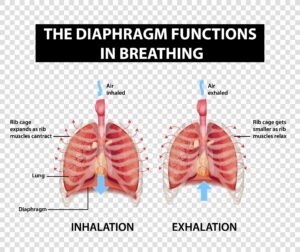
Breath support isn’t about taking in more air—it’s about using air efficiently. When your posture and diaphragm work together, your body becomes a natural bellows system that powers your sound with minimal effort.
The National Association of Teachers of Singing (NATS) defines breath support as “the balance between inhalation and controlled exhalation.” This means learning to let your breath flow steadily rather than pushing it out. Proper breath management gives you:
- Consistency – phrases stay full from start to finish.
- Dynamic control – you can sing softly or powerfully without tension.
- Longevity – a supported voice tires less quickly and stays healthy longer.
- Confidence – knowing you can sustain each note allows you to focus on artistry, not survival.
Breathing Exercises for Singers
Try this simple routine to improve your breath support for singing:
- The Balloon Breath – Place one hand on your lower ribs and inhale slowly through your nose, feeling expansion around your middle like inflating a balloon.
- The Controlled Hiss – Exhale on a gentle “sss,” keeping the sound steady for 10–20 seconds. This builds air control and strengthens the diaphragm.
- Silent Inhalation – Practice breathing in quietly, allowing your ribs and abdomen to expand without lifting your shoulders.
As you practice, notice how the body naturally supports your sound when you engage from the core instead of the throat. This coordination is the secret to sustained, effortless singing.
The Harmony Hills Approach
During rehearsals, we work on connecting breath to emotion—because singing is as much about feeling as it is about physics. When your breath moves freely, your phrasing feels alive, and the audience senses your energy.
“A supported voice isn’t forced—it’s free. Breath is the bridge between sound and soul.”
At Harmony Hills Chorus, breath support is woven into every warm-up and performance. Our singers learn not only how to breathe but how to breathe together—creating that unified sound that makes barbershop harmony ring.